My Account

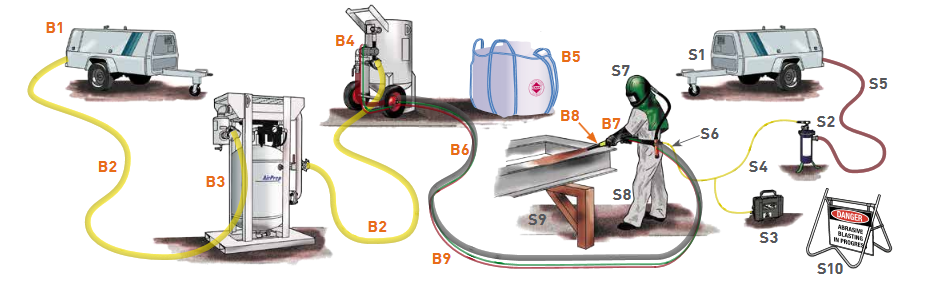
Abrasive Blasting System: Daily Component Checklist
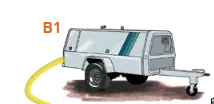
B1 Air Compressor
- Fully maintained, serviced and fueled
- Located upwind and away from blasting area
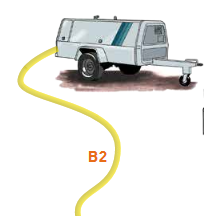
B2 Blast Air Supply Hose
- Large bore hose (4 times nozzle orifice minimum)
- Large connector fittings with whipchecks and/or safety chains installed
- Coupling gaskets in place
- Coupling pins fitted
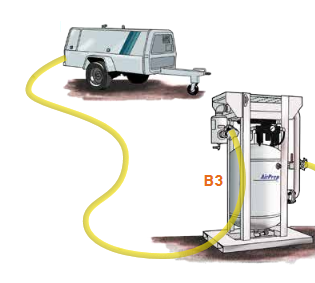
B3 Air Moisture Control
- Condensate drained and air motor lubricant filled
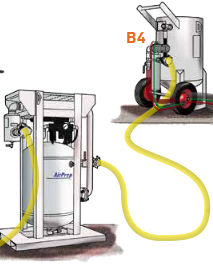
B4 Blast Machine
- Handle and twinline free from leaks
- Abrasive metering valve cleaned, fittings checked/maintained
- Lid and screen (portable hoppers) fitted
- Blast outlet gasket checked
- Test pressure relief valve
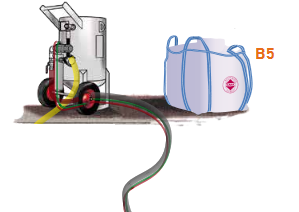
B5 Blast Abrasive
- Kept dry and protected
- Certificates and batch numbers recorded
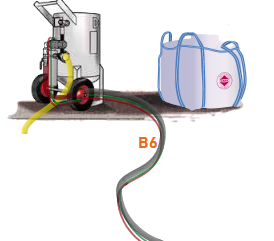
B6 Blast Hose
- Kept as straight and as short as possible (drawn curved to show perspective) –checked daily for wear or soft spots
- Coupling gaskets in place
- Coupling pins fitted
- Whipchecks installed
- Check gasket and components for wear, and air leaks
- Certificates and batch numbers recorded
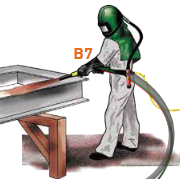
B7 Remote Control Handle
- Checked operation for fast start/stop
- Deadman operating and safety latch in place
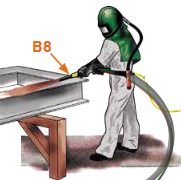
B8 Blast Nozzle
- Checked routinely for air pressure and liner/thread wear or damage
- Check nozzle pressure
- Check nozzle size for wear
- Nozzle gasket in place (where applicable)
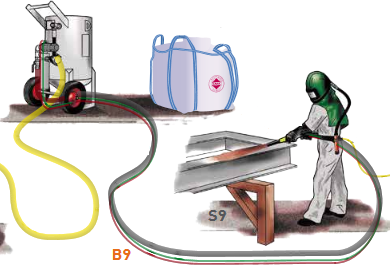
B9 Deadman Hose
- Check fittings
- Check hose for pin holes or cracks
Operator Safety Checklist
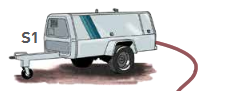
S1 Breathing Air Source
- Check replacement date on inlet filter
- Checked and maintained on a regular basis
- Located in a clean air atmosphere, upwind and away from the blast area and engine exhaust fumes
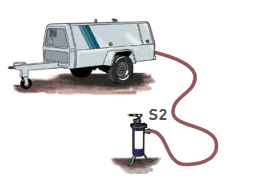
S2 Breathing Air Filter
- Check replacement date on filter
- Cartridges require regular programmed replacement
- Pressure gauge in place and operating
- Filters and regulates the breathing air supply
- Test pressure relief valve
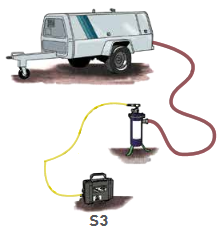
S3 Carbon Monoxide Monitor or Converter Monitor
- Checked, tested and calibrated (calibration certificate on file)
- Batteries checked
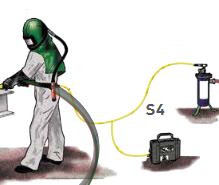
S4 Breathing Air Line
- Fitted with threaded screw-type connector or AS 1715 approved ‘Safety Type’ coupling with two distinct actions required for disconnection
- Free from kinks, abrasion
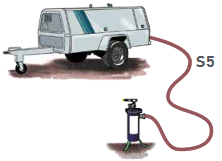
S5 Airline Breathing Air
- Airline for maximum airflow 1″ or C\v”
- Coupling gaskets in place
- Coupling pins fitted
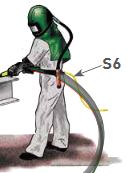
S6 Fatigue Management and Noxious Gas Protection
- Air temperature control within 15°C – 25°C range for operator comfort
- Suitable Personal Gas Monitor
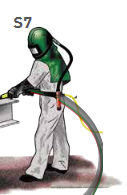
S7 Blast Helmet (Respirator)
- Inspected and maintained for wear and tear to the cape, collar, head gear and visor as per AS 1715 requirements
- New/clean inner and outer lens in place
- Inner lens in place for impact protection
- Helmet sanitized between operators
- Supplied with minimum 170 liters/minute breathing quality air as per AS 1715
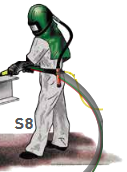
S8 Other Protective Clothing
- Safety footwear
- Ear plugs and blasters gauntlets
- Glasses
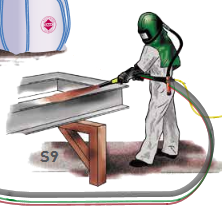
S9 Work Hazards
- Check, control and eliminate wherever possible:
- Physical dangers – tripping, falling, crushing
- Toxic substances e.g. lead, arsenic, cyanide, heavy metals, chromates, free silica, etc. present either in the abrasive, the coating, the substrate or the environment
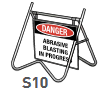
S10 Warning Signs and Barriers
- On display and not obstructed
- Site specific PPE signs displayed and not obstructed
- Personnel barriers in place
DISCLAIMER: The above information is only a guide and does not represent nor claim to be either a full or complete or accurate nor an approved or standard method of checking blast cleaning equipment or components. It is the responsibility of the reader and/or users of this information to separately determine and verify each and/or any guideline, regulations, tests, checks, etc. for equipment and/or setup as directed or indicated or required in or by any work specifications and/or standards. BlastOne expressly disclaims any liability for the use or misuse of the above information.
Read More Posts
Blast Hose Safety Checklist
BLASTHOSE SAFETY CHECKLIST Quick daily inspection steps for blast hose, couplings, and nozzle holders. Daily Use Checklist ✅ Daily Inspection Perform a visual check of the entire hose before blasting. Look for cracks, splits, bubbles, or holes in the outer casing. Inspect hose couplings for tight fit, damage, or excessive wear. ✅ Squeeze Test Squeeze […]